
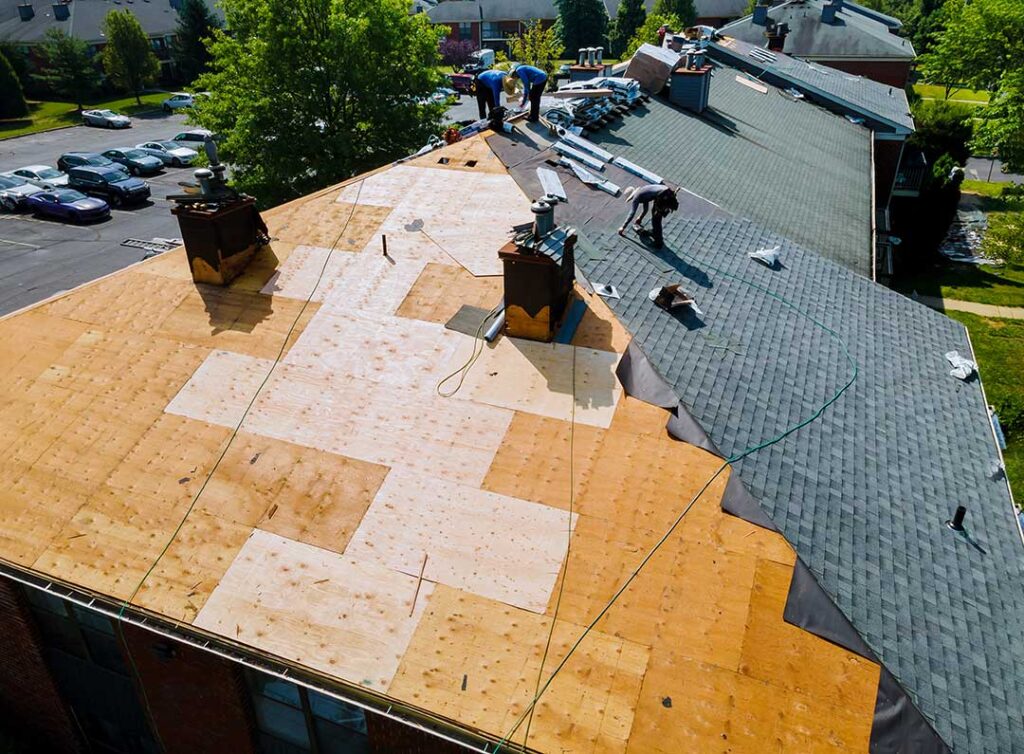
Why Is Proper Roof Damage Documentation Needed for Insurance Claims?
Proper documentation of roof damage is essential for residents of Oneonta, NY in order to have an effective, smooth claims process with insurance companies. Without clear records, valid claims can be delayed or denied. Insurers rely on concrete evidence to determine the extent and cause of the damage, so detailed records help establish your eligibility and the scope of potential reimbursement.
In the city, where weather can shift rapidly—from heavy lake-effect snow in winter to sudden summer hailstorms or wind—thorough documentation becomes even more relevant. Insurance adjusters who are not local may not appreciate the unique impact of these seasonal changes unless provided clear, date-stamped information.
What Should You Do Immediately After Noticing Roof Damage?
Begin by ensuring safety—never climb on a compromised roof if it appears unstable, there is ongoing severe weather, or the surface is icy. In such cases, document conditions from the ground or through windows.
Once safe, take these immediate steps:
- Note the date and time you discovered the damage.
- Make a written record of the weather conditions before, during, and after the incident (for example, following a windstorm or heavy snow).
- Secure any areas where water could enter to prevent additional interior damage, as most insurance policies require homeowners to mitigate further harm.
How Do You Take Useful Photographs and Video Evidence?
Clear, well-lit photographs and videos provide strong visual proof for insurance claims. In Oneonta, where roofs often feature steep pitches or architectural details, capturing the right angles helps make your case.
Recommendations for effective visual evidence:
- Take wide shots to show the entire affected area.
- Use close-ups for cracked shingles, missing tiles, bent flashing, or punctures.
- Include reference points (like a yard object, satellite dish, or window) in photos, so adjusters can place the damage in context.
- If possible, document interiors too—such as attic leaks, ceiling staining, or wet insulation.
- Record a brief video walkthrough, providing narration to clarify what is being shown. For example, “This missing shingle is directly above my living room.”
- Use a timestamp feature on your camera or phone, or include a local newspaper in one image for date verification.
Be mindful of safety—especially during wet or icy Upstate New York winters—by remaining on solid ground when possible.
What Types of Information Should Be Written Down?
Written records help support photographic evidence and clarify details that photos alone can’t show. Local homeowners are encouraged to create a dated log that includes:
- The date and time damage was noticed.
- A description of what caused the damage (wind, hail, falling branch, etc.).
- Weather conditions at the time and in the hours or days before.
- A list of visible issues (missing shingles, torn flashing, soft spots, water stains, debris presence).
- Notes on any immediate actions taken to temporarily protect the property (tarping, moving belongings, cleaning debris).
While it’s natural to feel overwhelmed, organized records help when discussing the claim with agents and adjusters.
Should You Gather Documentation of Prior Roof Condition?
Yes—showing the roof’s pre-damage status helps differentiate between sudden incidents and pre-existing wear. This is a common sticking point in insurance disputes.
Homeowners in the area sometimes have periodic “before” photos due to seasonal inspections or maintenance. If you have images or receipts from prior years demonstrating upkeep, organization, or roof repairs, include copies with your new documentation. An adjuster is more likely to approve repairs when it's clear the damage was sudden and not the result of years of neglect.
What Documents and Receipts Should You Save?

Insurance reviewers will want:
- Receipts for previous roof repairs, inspections, or maintenance.
- Warranties for roofing materials or prior work.
- Records of roof-related expenses after the damage occurred (temporary fixes, supplies).
- Copies of communication with your insurance agent, including phone call notes, emails, and forms.
It’s helpful to keep these materials together in a digital folder and a physical envelope, so nothing is misplaced during the claims process.
How Should You Present Documentation to Your Insurance Company?
Once you’ve gathered everything, organize your materials for clarity and credibility:
- Chronologically arrange your photos, notes, and receipts.
- Label each photo or video with a short description (“north slope, cracked shingle from March windstorm”).
- Summarize with a brief, fact-based cover note highlighting the date, cause, and extent of the damage.
Digital submissions are accepted by most agencies and can expedite review. Always keep backup copies for your records.
Are There Common Mistakes Local Residents Make in This Process?
Some frequent issues that complicate insurance claims locally include:
- Waiting too long to document or submit damage, causing insurers to question the timeline.
- Failing to provide visual date confirmation or clear context.
- Forgetting to document the roof’s pre-damage condition.
- Disposing of damaged materials (shingles, branches) before adjusters see them.
- Overstating or speculating about the cause instead of sticking to observable facts.
Thorough, prompt, and well-organized documentation helps area households avoid these pitfalls and makes the claims process smoother.
