
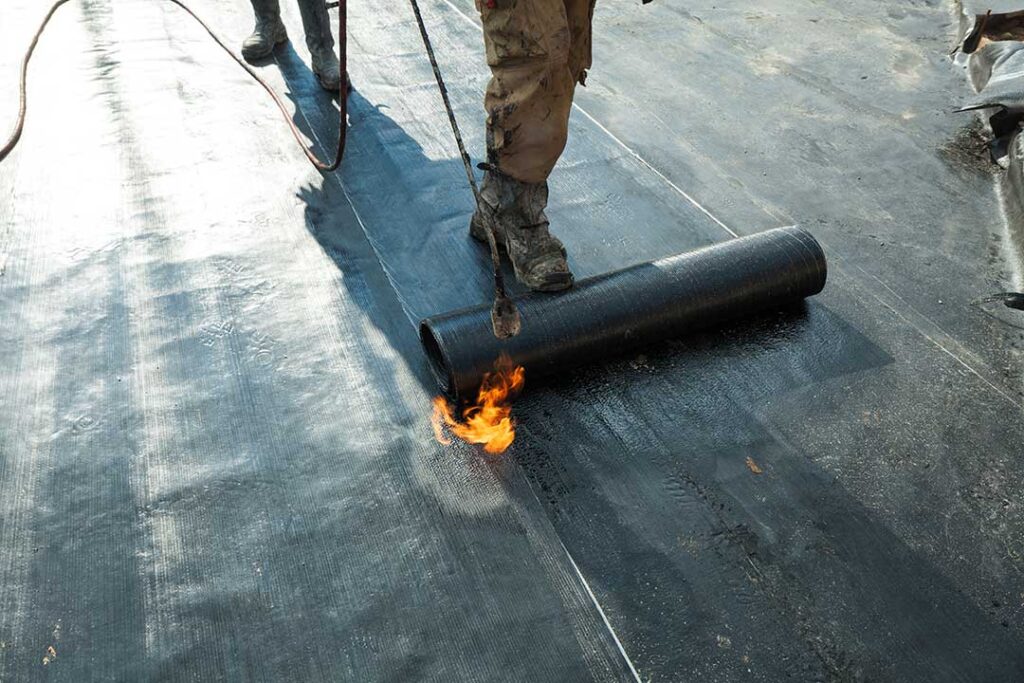
Why Knowing Roofing Terms Matters for Oneonta, NY Residents
Understanding basic roofing terms helps area homeowners communicate more confidently about repairs, replacements, and home maintenance. Whether dealing with local contractors, planning a project, or just keeping up with routine care, familiarity with key concepts makes conversations easier and decisions more informed. This is especially important in the varied climate of Oneonta, NY, where temperature swings, snow, and rain all affect roofing systems.
What Are the Main Parts of a Roof?
A roof is made up of many components, each serving a specific purpose. Here are commonly discussed parts you might hear about during repairs or maintenance:
- Shingles: Overlapping pieces (often asphalt) that form the visible, outermost layer. Asphalt shingles are common in the city due to their cost-effectiveness and weather resilience.
- Decking (Sheathing): The flat panels, typically made of plywood or oriented strand board, secured to the roof rafters. Shingles and underlayment rest on this base.
- Underlayment: A water-resistant barrier installed between the shingles and the decking, offering added protection against moisture.
- Flashing: Thin, waterproof metal sheets placed at joints, valleys, or areas around chimneys and vents. Flashing is crucial for preventing leaks in places prone to water intrusion.
- Ridge: The top horizontal edge where two roof slopes meet. Ridge caps or special shingles often protect this area.
- Eaves and Soffits: The eave is the roof edge that overhangs your home’s walls, while the soffit is the underside “ceiling” of that overhang. Together, they help with ventilation and rain runoff.
How Do Residential Roof Shapes Differ and Why Does It Matter?
Most homes in Oneonta have one of a few key roof shapes, each affecting drainage, snow buildup, and maintenance:
- Gable Roof: Two sloping sides that meet at a ridge; common locally for shedding snow.
- Hip Roof: Four sides, all sloping, providing added stability for heavy snow loads often seen in the area.
- Flat Roof: Rare for homes, more common on some additions or porches; requires special materials due to standing water risk.
Knowing your roof style helps when discussing ventilation needs, possible repairs, or seasonal maintenance.
What Roofing Materials Are Most Commonly Discussed?
Area residents often ask about different materials and what the terms mean:
- Asphalt Shingle: The most widely used in the city, offering balance between cost and durability.
- Metal Roofing: Sometimes chosen for durability and snow-shedding, but installation and repair require understanding of roof slope and local weather factors.
- Slate or Tile: Less common, but found on some older homes or historic properties. These materials are heavy and require reinforced structures.
Other terms related to materials you might encounter:
- Granules: The rough, colored coating on asphalt shingles, important for sun protection.
- Pitch: How steep or flat a roof is, usually described as a ratio (e.g., 6:12 means 6 inches of rise per 12 inches of run). Steeper roofs in Oneonta help reduce ice dam risks.
What Are Frequent Roofing Problem Terms?
When issues arise, specific terms often come up in inspection reports or conversations:
- Leak: Unwanted water infiltration, often around valleys, flashing, or vent penetrations.
- Ice Dams: Common during Oneonta winters, these are ridges of ice that form along the eaves, causing water backup under shingles.
- Blistering or Curling: Refers to damage or deformation of shingles, often from age, UV exposure, or improper ventilation.
- Granule Loss: Wearing away of the shingle’s surface layer, a sign of age or hail damage.
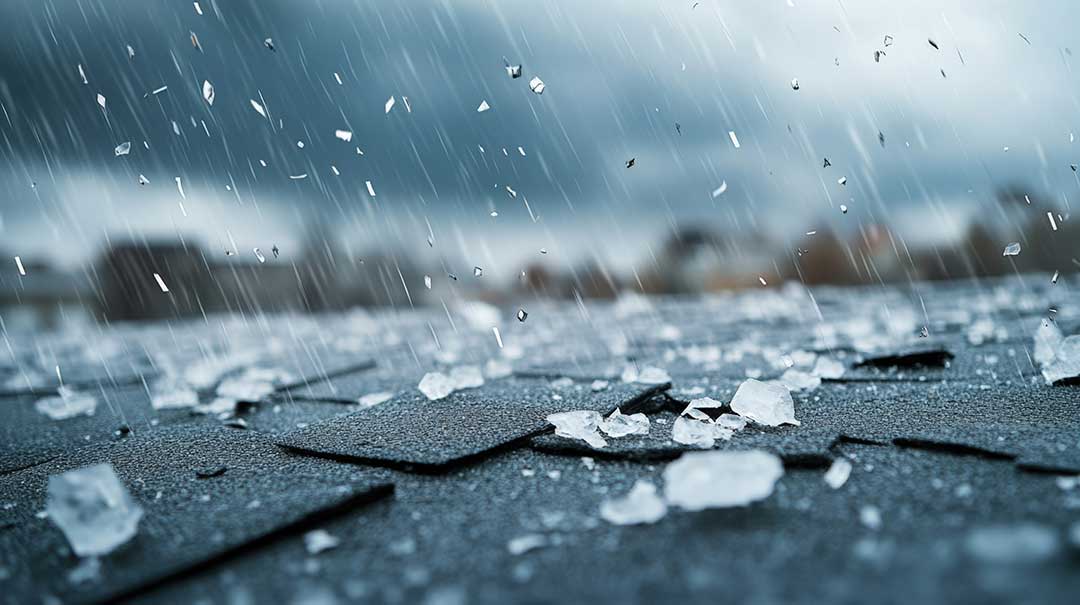
Being familiar with these terms helps homeowners recognize maintenance concerns before they become larger problems.
How Does Roof Ventilation Work?
Proper ventilation helps your roofing system last longer and prevents moisture buildup in the attic. Terms connected with roof airflow include:
- Ridge Vent: Runs along the roof’s peak, allowing hot air to escape from the attic.
- Soffit Vent: Installed under the eaves, letting cooler outside air enter.
- Gable Vent: Mounted on the gable ends, often visible from the street on homes in the city.
Balanced ventilation is important in Oneonta due to humidity in the summer and snow buildup in the winter, which together can create conditions for mold, wood rot, or ice dams.
What Roofing Terms Affect Insurance or Permits?
Some terms arise in paperwork or when talking with assessors and inspectors:
- Roof Age: Insurance companies may ask about the date your current roofing was installed; newer roofs typically receive more favorable rates.
- Overlay: Adding new shingles on top of old ones, which is sometimes allowed locally but can affect warranty and lifespan.
- Tear-Off: Removing all old layers before installing new roofing—a common requirement in the area for long-term durability.
- Code Requirements: Local building codes set by municipal authorities in Oneonta often specify how many layers are allowed and what underlayment must be used.
Understanding this vocabulary helps households avoid surprises when filing claims or preparing for permitted work.
Are There Seasonal or Local Roofing Terms Unique to Oneonta?
Local weather introduces several terms Oneonta homeowners might hear:
- Snow Guard: Devices installed along the roof to prevent large sheets of snow from sliding off suddenly—a safety measure in snowy climates.
- Ice & Water Shield: An upgraded underlayment installed along eaves and valleys to guard against ice dam leaks, frequently installed during replacements in the area.
- Attic Bypass: Openings in ceilings or walls that let warm air escape into the attic, which can worsen ice damming; often addressed during energy efficiency upgrades.
Having a sense of these terms helps residents plan ahead—especially in advance of harsh winters or heavy storms, which are regular occurrences in the city.
