
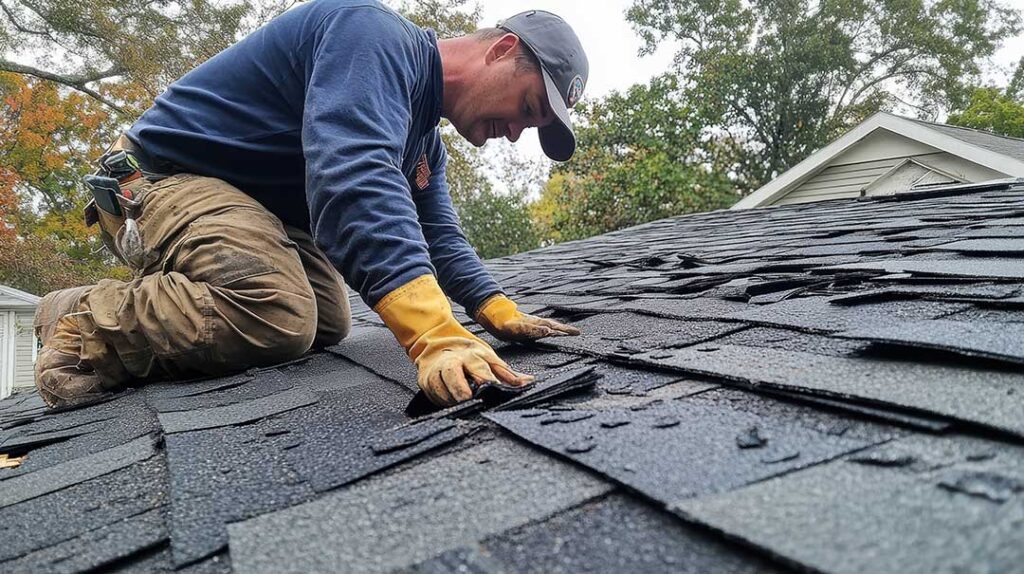
Why Do Residents in Oneonta, NY Need to Be Careful When Hanging Lights on Their Roof?
The combination of steep roof pitches, often slick conditions from winter weather, and older home designs in Oneonta creates real safety concerns when hanging lights. Many community members want festive displays without risking slips, falls, or damage to shingles and gutters. A few simple precautions can help minimize hazards while maintaining the charm of seasonal lighting.
What Weather Considerations Matter Most in Oneonta?
Cold snaps, snow, and ice are frequent from late fall into early spring in the city, making timing and preparation critical. Only hang lights when the roof surface is completely dry—never after fresh rain, snow, or frost. Wet shingles are extremely slippery, and even a seemingly dry December day can have hidden black ice on north-facing peaks or shaded eaves.
For added safety:
- Schedule installation during daylight hours when visibility is best.
- Check the week’s forecast for potential storms or abrupt drops in temperature.
- Clear away any leftover leaves or debris from the gutter line before starting.
What Equipment Should You Use to Stay Safe?
Basic household ladders, extension cords, and plastic hooks are common, but not all are suitable for roof work. Using proper equipment is key to reducing the chance of accidents or property damage.
Essential items include:
- A sturdy, well-rated extension ladder—tall enough to reach your roofline safely without having to stand on the top rung.
- Slip-resistant shoes or boots with clean soles.
- A tool belt or small pail clipped to the ladder, so you keep both hands free while climbing.
- Outdoor-rated weather-resistant lights and extension cords designed for local winter conditions.
- Plastic or rubber clips meant for roof edges and gutters—these won’t damage shingles or metalwork.
How Can You Minimize Risk of Damaging Your Roof?
Roofing in older Oneonta homes may be more brittle or granulated, so even brief foot traffic or misplaced tacks can cause lasting harm. Avoid walking directly on steep slopes, and never use staples, nails, or screws to secure your lights—these can penetrate the protective surface and lead to leaks.
Better approaches:
- Hang lights from gutters, drip edges, or soffit boards using specially designed clips.
- Use lightweight LED strands to reduce the strain on attachment points.
- Avoid running cords under shingles or along seams, as this can break the water-resistant barrier.
- Regularly check that clips or fastenings haven’t shifted due to wind gusts or snow loading.
What Are Practical Steps for Hanging Roof Lights Safely?
Start by planning your display at ground level, counting the number of clips and lights needed. Test all electrical strands for faulty bulbs or frayed wiring before climbing the ladder. Set the ladder on solid ground—avoid icy patches or soft spots near garden beds. A second person can steady the ladder and help manage the lighting strands, reducing the risk of overreaching.
When ready to hang:
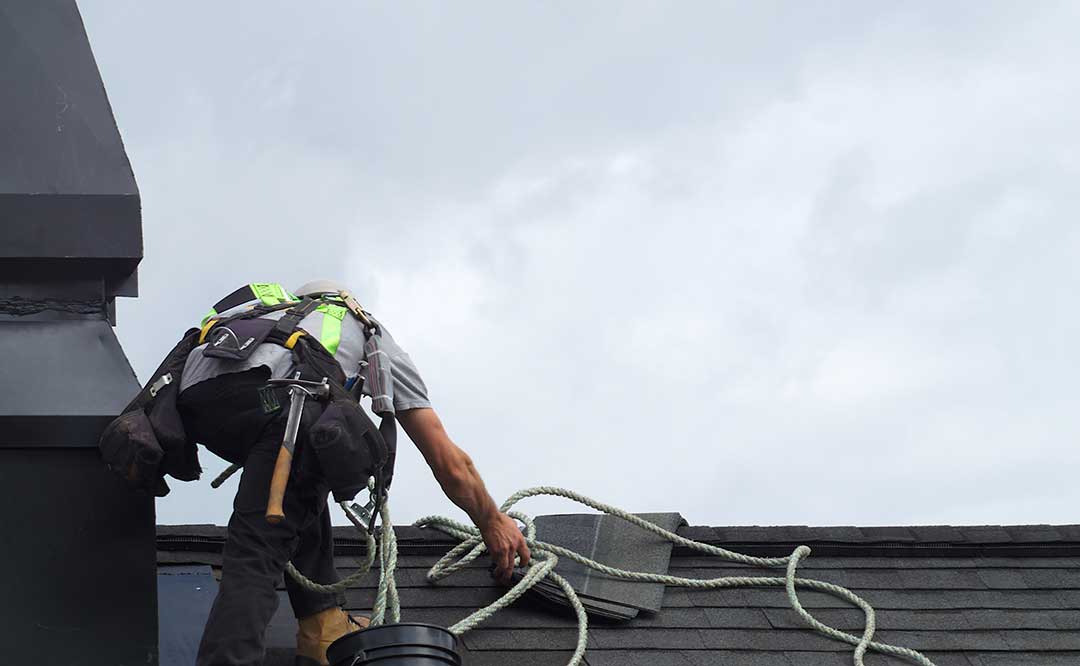
- Place clips every 12 to 18 inches for even support.
- Work in sections, moving the ladder rather than stretching to reach.
- Keep extension cord connections away from standing water, snow, or slush.
- Do not attempt to anchor lights to chimney bricks or loosely attached trim—choose sturdy, intended surfaces only.
What Local Hazards Are Easy to Overlook?
In the city, falling leaves can quickly clog gutters in late fall, trapping moisture and reducing grip for light clips. Icicles from melting snow may form above or around your display in winter, so check frequently for buildup that could dislodge strands or pull fixtures loose.
On some older homes, wooden eaves or fascia may be weathered or soft—test for soundness before attaching. More modern houses in new subdivisions may have vinyl or aluminum trim that can crack under stress; use gentle pressure and quick-release clips to avoid lasting marks.
Are There Electrical Safety Precautions Unique to the Area?
Cold, wet winters in Oneonta demand extra vigilance with outdoor lighting. Always use GFCI (ground-fault circuit interrupter) outlets when plugging in exterior lights. Inspect all wires, plugs, and connectors for weatherproofing ratings and replace anything suspected of damage. Never string indoor-rated lights outside, as insulation may degrade rapidly due to temperature swings and moisture.
For lawn displays or lights strung to a detached garage or shed, avoid running extension cords across walkways where they may be buried by snow or exposed to sidewalk plows. Portable, raised wire covers can be helpful in high-traffic spots.
How Do You Take Down Lights Safely After the Holidays?
The process of removing lights causes just as many injuries and instances of roof damage as installation. Choose a clear, dry day—don’t attempt removal if snow or ice remains on the slope or gutters. Dismantle displays by unclipping each section while moving the ladder methodically, never pulling from the ground or yanking on cords.
Take time to:
- Coil and store light strands carefully to prevent tangling.
- Inspect the roofline and gutters for any accidental loosening or wear.
- Dispose of any broken bulbs and damaged cords properly through local recycling, rather than tossing them in landfill-bound trash.
