
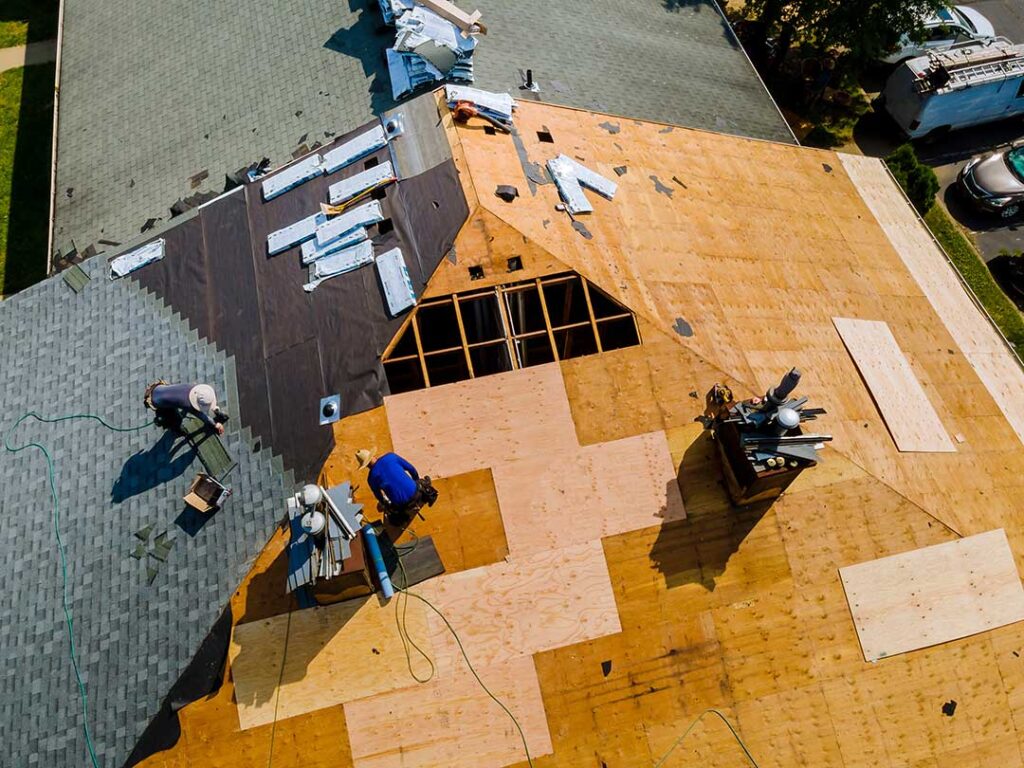
Can old roofing materials be recycled?
Yes, many roofing materials can be recycled or recovered, but they usually cannot go in household curbside recycling bins. Asphalt shingles are the most commonly recycled roofing material, while metal roofing, clean wood, and some reusable components may follow separate recycling or reuse pathways.
For residents in Oneonta, NY, the correct disposal route depends on the material, its condition, and whether it contains contamination such as asbestos, excessive dirt, insulation, or mixed household waste.
New York State recognizes uncontaminated asphalt roofing shingles and roofing paper as construction and demolition materials that may be accepted by registered handling and recovery facilities. Recovered shingles can be processed for use in products such as asphalt pavement. ([dec.ny.gov](https://dec.ny.gov/environmental-protection/waste-management/solid-waste-management-facilities/construction-demolition-debris-processing?utm_source=openai))
Which roofing materials are commonly recyclable?
The material itself matters more than the age of the roof.
Asphalt shingles
Asphalt shingles are often recyclable when they are:
- Free of household garbage
- Separated from large amounts of wood, insulation, and plastic
- Not mixed with asbestos-containing materials
- Reasonably free of excessive soil, moss, and other contamination
Recycling facilities may crush and screen shingles to recover asphalt, mineral aggregate, and fiberglass. These materials can become part of asphalt pavement or other approved construction uses.
Metal roofing
Steel and aluminum roofing are usually handled as scrap metal rather than shingle recycling. Remove or separate as much wood, felt, plastic, fasteners, and other attached material as practical. Metal flashing, gutters, drip edges, and downspouts may also have recycling value.
Because scrap-metal rules vary by facility, confirm acceptance before transporting bulky or sharply edged pieces.
Wood shakes and shingles
Clean, untreated wood may be accepted as a wood waste or construction material, depending on local facility rules. Painted, stained, pressure-treated, or heavily deteriorated wood may require a different disposal method.
Do not burn removed roofing wood in a household fire pit or woodstove. Roofing materials can contain coatings, nails, preservatives, or other substances that make open burning unsafe and unlawful.
Slate, clay, and concrete tile
Undamaged tile and slate may be suitable for reuse in small repairs, garden edging, decorative work, or salvage. Broken pieces are generally handled as construction and demolition debris, not curbside recycling.
How should roofing materials be prepared?
Preparation improves the chance that materials will be accepted and keeps transport safer.
Before loading debris:
1. Separate roofing from household trash.
2. Pull out large pieces of wood, insulation, plastic, and cardboard.
3. Keep metal components in a separate pile when practical.
4. Remove loose nails only if doing so does not create an unnecessary injury risk.
5. Keep materials dry and covered during transport.
6. Use strong containers or a secured trailer so wind cannot scatter lightweight scraps.
7. Ask the receiving facility about weight limits, acceptable materials, fees, and unloading procedures.
A roof replacement may produce more debris than expected. Asphalt shingles are dense, and a small-looking pile can weigh several tons. Vehicle payload limits should be checked before hauling material.
What roofing materials should not be recycled with ordinary shingles?
Some materials require special handling or should not be placed in a general shingle load.
Suspected asbestos-containing roofing
Older roofing products, roof cement, underlayment, flashing materials, and insulation can sometimes contain asbestos. The material cannot be identified reliably by appearance alone. If a roof is old, unusual, brittle, or suspected to contain asbestos, avoid breaking, cutting, sweeping, or dry-scraping it.
NYSDEC rules distinguish ordinary uncontaminated asphalt roofing materials from friable asbestos-containing waste. Registered construction and demolition facilities may accept asphalt shingles and roofing paper only when they do not contain friable asbestos. ([dec.ny.gov](https://dec.ny.gov/environmental-protection/waste-management/solid-waste-management-facilities/construction-demolition-debris-processing?utm_source=openai))
Suspected asbestos should be assessed through appropriate testing and handled under applicable state and local requirements. It should never be mixed into a regular recycling load.
Tar, chemicals, and contaminated debris
Buckets with substantial residue, oily materials, chemical containers, and debris contaminated by fuel or other hazardous substances do not belong with clean roofing materials. Roofing cement containers should be managed according to the product label and local waste rules.
Solar panels and electrical equipment
Solar panels, wiring, inverters, and roof-mounted electrical equipment follow separate recycling or disposal pathways. Keep them out of asphalt-shingle loads, and do not dismantle damaged electrical equipment unless it can be done safely.
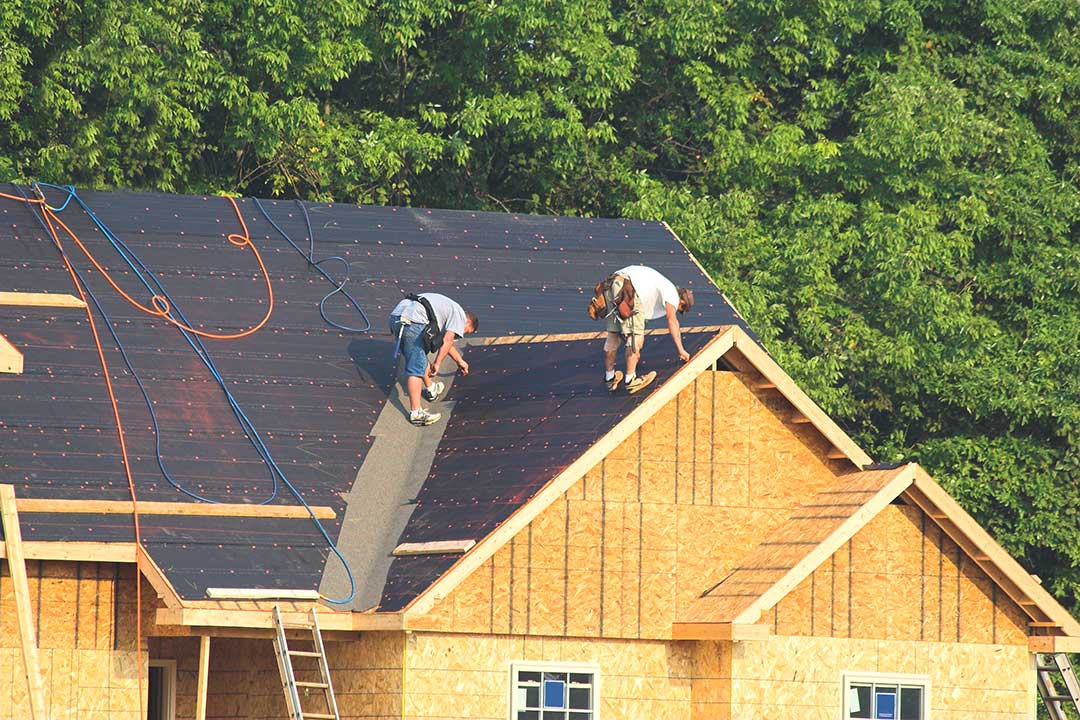
Can old shingles be reused?
Sometimes, but reuse is more limited than recycling.
Unused bundles that are dry, intact, and undamaged may be useful for a small repair or another minor structure. Used shingles are harder to reuse because they may be curled, brittle, weathered, or no longer match available roofing systems.
Slate, tile, metal panels, gutters, roof vents, and decorative architectural elements often have greater reuse potential than ordinary asphalt shingles. Any reused roofing component must still be suitable for the intended application and installed in a way that does not create leaks or safety problems.
The local reuse economy may accept some clean, usable building materials, but acceptance is determined item by item. A reuse center in the area notes that donations are subject to staff approval, so materials should not be left without confirmation. ([arcotsego.org](https://arcotsego.org/otsego-reuse-center/?utm_source=openai))
Where can residents ask about disposal in Oneonta?
Roofing debris is generally treated as construction and demolition material rather than ordinary household recycling. Residents should check with the appropriate Otsego County solid-waste contact or a registered construction and demolition debris handling facility before loading a vehicle.
NYSDEC provides local recycling coordinator information for Otsego County and identifies construction and demolition recovery facilities through its DECInfo Locator resources. ([dec.ny.gov](https://dec.ny.gov/environmental-protection/waste-management/solid-waste-management-facilities/construction-demolition-debris-processing?utm_source=openai))
Rules can differ based on whether the material comes from a homeowner project, a contractor-managed roof replacement, or a larger demolition job. A facility may also require shingles to be source-separated, uncontaminated, and delivered during specified hours.
The Town of Oneonta’s published solid-waste provisions also distinguish construction and demolition debris from ordinary solid waste and direct residents to follow the procedures of the designated transfer and disposal system. ([ecode360.com](https://ecode360.com/13685963?utm_source=openai))
What should happen before a roof replacement?
Planning disposal before work begins prevents mixed loads and last-minute dumping.
Ask these questions in advance:
- Are asphalt shingles accepted for recycling or only disposal?
- Are roofing felt and paper accepted with shingles?
- Is metal required to be separated?
- Are nails and small amounts of wood allowed?
- Does the facility reject mossy, muddy, or wet loads?
- Are suspected asbestos materials handled separately?
- Is a permit, account, appointment, or covered vehicle required?
- How are fees calculated?
Seasonal conditions also matter. In Oneonta, winter snow, spring mud, and freeze-thaw cycles can make roofing debris heavier, harder to sort, and more difficult to transport safely. Keeping loads covered and preventing debris from entering storm drains or roadside ditches is especially important during rain and snowmelt.
Recycling old roofing materials is not simply a matter of placing shingles in a blue bin. The safest approach is to identify each material, keep recyclable components separated, watch for asbestos or chemical contamination, and verify acceptance with the local solid-waste system before hauling the load.
