

How Often Should Roofs Be Inspected in Oneonta, NY?
Local roofs generally benefit from inspections at least once per year, ideally in late spring or early fall, plus after major weather events. This schedule gives homeowners the best chance to spot small issues before they become expensive repairs.
Oneonta experiences four distinct seasons, including snowy winters and rainy spells that can be harsh on roofing materials. Snow, ice dams, freeze-thaw cycles, and wind-driven rain are primary reasons why annual inspections matter. Doing this before winter ensures your home is better prepared for storms, and a follow-up after winter helps catch damage hidden under snow.
What Signs Indicate a Roof Needs Inspecting Outside the Usual Schedule?
Unexpected changes or minor leaks often mean an earlier inspection is wise. If you see any of the following, consider moving up your timeline:
- Water stains on ceilings or walls, even if small
- Shingles that are curling, missing, or appear cracked from ground level
- Granules collecting in gutters or driveway
- Sagging rooflines or visible dips
- Ice dams forming in winter or icicles hanging along the eaves
- Unexplained increases in heating bills during winter
Even subtle clues like musty smells in the attic or daylight visible through the roof boards suggest attention is needed.
How Do Oneonta’s Weather and Seasonality Affect Roof Condition?
Roofs in the area see heavy snow buildup, ice jams, frequent freeze-thaw shifts, and summer thunderstorms. Each type of weather stresses materials differently. For example:
- Winter snowpack can cause ice dams, allowing water to back up under shingles.
- Spring rain will exploit existing vulnerabilities, revealing leaks.
- Hail and wind in summer storms can dislodge shingles.
- Fall leaf buildup in gutters leads to water pooling and potential edge rot.
The cycle of seasonal stress means many homeowners notice problems in late winter or early spring as snow melts. Inspections timed to local weather cycles are less about the calendar and more about recent conditions.
Are There Roofing Materials or Styles in the City That Need More Frequent Checks?
Houses in the community generally have asphalt shingles, but some feature slate, metal, or flat membrane systems. Here are common considerations:
- Asphalt shingles: Most common, generally need inspection yearly or after wind/snow events.
- Flat or low-slope roofs: Require closer monitoring, especially for ponding water following rain or melt.
- Slate and metal: Often more durable, but heavy ice can crack slate or shift fasteners in metal seams.
Roofs with complex valleys, skylights, or chimneys can be more vulnerable to leaks, especially after heavy snow or ice.
Can Homeowners Safely Inspect Their Own Roofs?
Minor checks from the ground or attic are safe and useful for most people. Residents can walk around their property with binoculars, looking for obvious issues like:
- Shingle edges lifting
- Flashing rust, gap, or misalignment
- Blocked or overflowing gutters
In the attic, check for:
- Damp insulation or dark spots beneath the roof deck
- Musty smells after wet weather
- Visible sunlight through boards
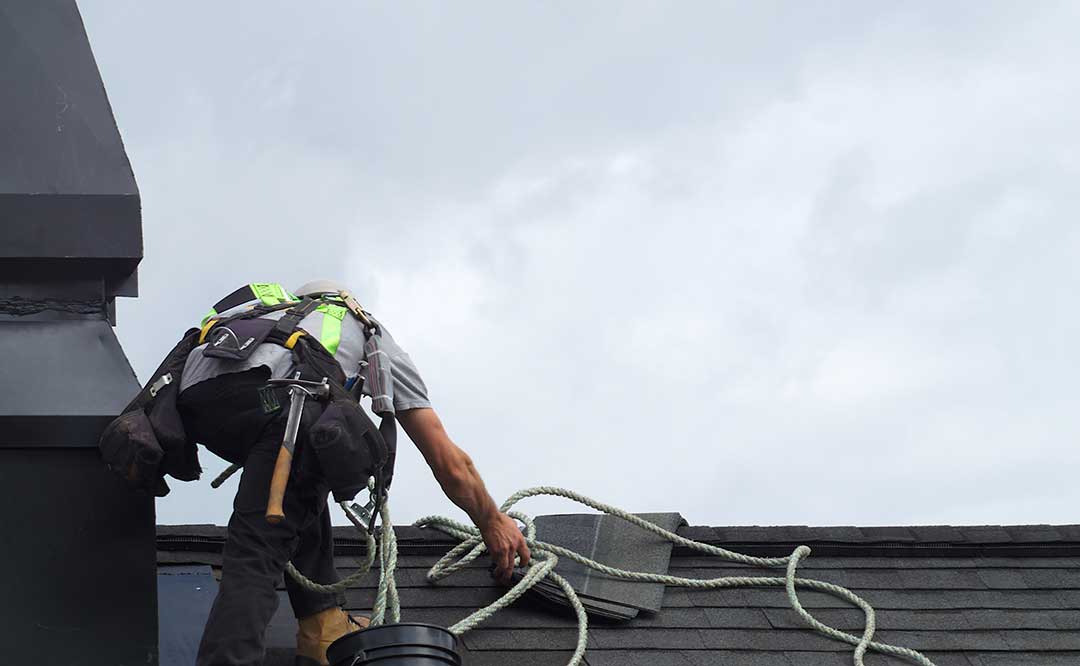
Direct roof access is only recommended when safe, never during snowy or icy conditions. If a roof is steep, high, or visibly damaged, it’s better to stick to ground-level or attic views and rely on professionals for more invasive checks.
What Are the Most Common Misconceptions About Roof Inspections?
Several myths can lead to neglected maintenance:
- Believing new roofs don’t need checking for the first decade: Manufacturing defects or installation flaws can still cause leaks early.
- Assuming visible leaks are the first or only sign of problems: Many issues start hidden under shingles or felt before interior symptoms appear.
- Thinking that only severe weather calls for an inspection: Everyday sun and temperature shifts also degrade materials.
- Overlooking attics: Moisture problems often show inside long before they appear outdoors.
What if a Roof Passes Inspection—Are There Still Reasons to Plan the Next One?
Even if a previous inspection revealed no urgency, regular scheduling prevents small wear from growing. Hidden deterioration, gradual shingle loss, or sealing failures can all develop quietly. A set routine makes it less likely that homeowners will forget, especially with busy seasonal schedules or unexpected events around the home.
Varying the inspection month each year also helps catch problems in differing seasonal conditions. If an inspection can’t be done in the usual season, plan for the next closest practical window, especially before or after severe weather.
