

What Is Roof Decking and Why Does It Matter?
Roof decking, sometimes called sheathing, is the layer of material that forms the base substrate directly on top of the rafters or trusses of a home. It provides a solid, continuous surface for roofing materials—such as shingles or metal panels—to be attached. For residents in Oneonta, roof decking is a critical component because it must withstand seasonal temperature swings, snow loads, and regional moisture patterns. Without solid roof decking, even the highest quality roofing materials can fail prematurely.
What Are the Most Common Types of Roof Decking in Oneonta?
The most typical materials for residential roof decking in the area are plywood and oriented strand board (OSB). Both are engineered wood products but differ in their construction:
- Plywood: Layers of thin wood veneer are glued together, offering good strength and resistance to warping.
- OSB: Larger wood strands are bonded with resin and wax for a consistent, durable sheet that is often more budget-friendly.
Older homes in the city may feature plank decking, made from solid wood boards, especially in houses built before the 1970s. While plank decking can still be found, repairs or upgrades more commonly use plywood or OSB.
How Can Roof Decking Fail in This Area?
Decking issues often stem from water damage, age, or improper installation. In Oneonta, repeated freeze-thaw cycles and damp autumn weather can lead to moisture finding its way beneath roofing materials. This causes:
- Wood rot or delamination (separating layers in plywood)
- Warping, sagging, or soft spots
- Mold or mildew development, which is often noticed in attic spaces
Tiny leaks may go unnoticed until routine maintenance or a reroofing project uncovers soft or spongy decking areas. Wet or deteriorated decking should always be replaced, as it can no longer provide proper structural support for the roof.
What Signs Suggest a Problem With Roof Decking?
Although roof decking isn’t visible from outside, several clues suggest trouble. Keep an eye (and nose) out for the following, especially after heavy snow or persistent rain:
- Uneven or "wavy" rooflines
- Persistent roof leaks, even if shingles appear intact
- Unexplained musty odors inside, especially in upper floors or attic spaces
- Visible mold, water stains, or discoloration on ceilings
If insulation in the attic feels damp or you notice daylight through the boards when in the attic, it’s best to investigate further.
What’s Involved in Inspecting or Replacing Roof Decking?
A thorough inspection often occurs during a major repair or reroofing project, since roofing materials must be removed to check the condition of the deck. Inspection includes:
- Checking for water stains, rot, or soft spots by walking over the decking and visually examining its surface
- Using tools to probe suspected areas for hidden rot or damage
- Assessing ventilation: poorly ventilated attics accelerate decking deterioration, especially in humid months
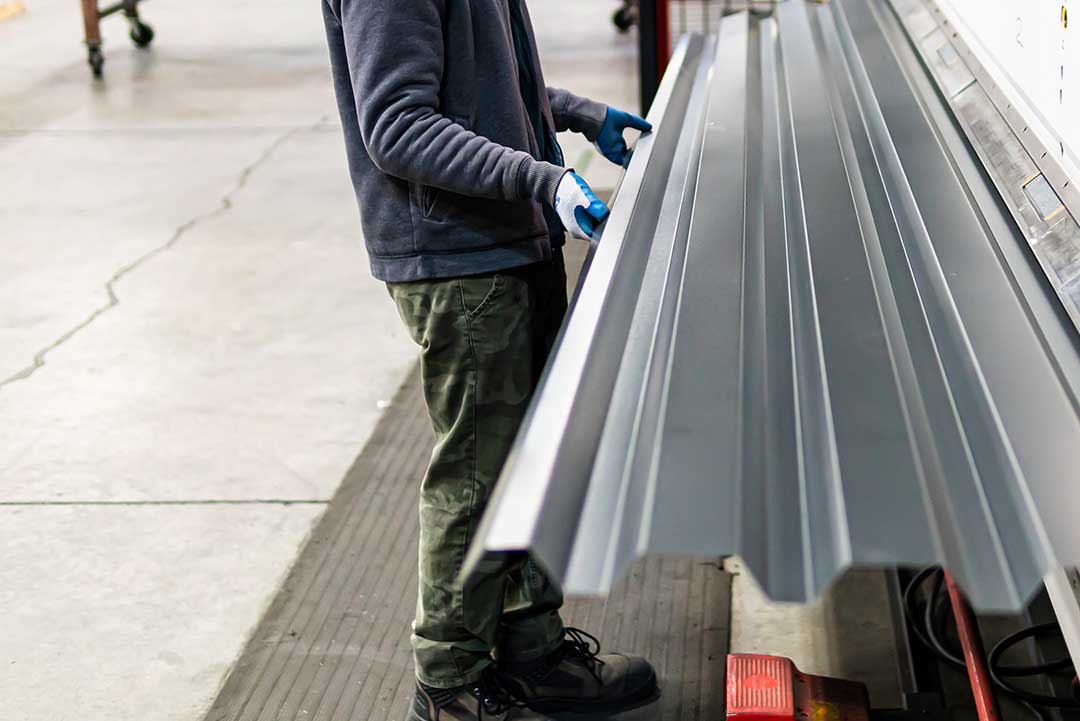
Damaged sections are typically cut out and replaced with new sheets that match the thickness and material type. It’s common to replace only the affected sections, but widespread issues may require a full replacement.
How Do Local Weather and Building Codes Affect Roof Decking Choices?
In Oneonta, the combination of heavy winter snow and occasional high winds means that decking must meet local building standards for strength and durability. Current codes specify the minimum allowable thickness for plywood or OSB (usually 7/16" or thicker for most homes) and outline how closely boards must be fastened to framing.
Some homes may already have additional moisture barriers or ice-and-water shields, especially along the eaves and valleys, which help protect decking from ice damming—a common winter issue locally.
What Are Common Misconceptions About Roof Decking?
One common misunderstanding is that new shingles or roofing material alone will solve ongoing leak or sagging issues. In reality, if the underlying decking is damaged or inadequate, any new roofing installed on top is likely to fail early.
Another misconception is that small areas of rot can be safely ignored if the surface layer appears dry after warm weather. Even minor sections of rot can spread, especially where snow accumulates or water ponds during thaws.
What Steps Can Homeowners Take to Protect Roof Decking?
Maintenance is key. Consider these practical tips for area households:
- Keep gutters clear in spring and fall to prevent ice damming and overflow that can saturate decking along roof edges.
- Inspect attic spaces periodically for signs of moisture, especially after major storms or long winter months.
- Ensure all roof penetrations (vents, pipes, chimneys) are properly sealed with flashing.
- Maintain adequate attic ventilation to balance temperature and humidity year-round.
Addressing small issues early—like minor leaks or blocked vents—prevents widespread decking damage and helps extend the overall life of the roof.
