
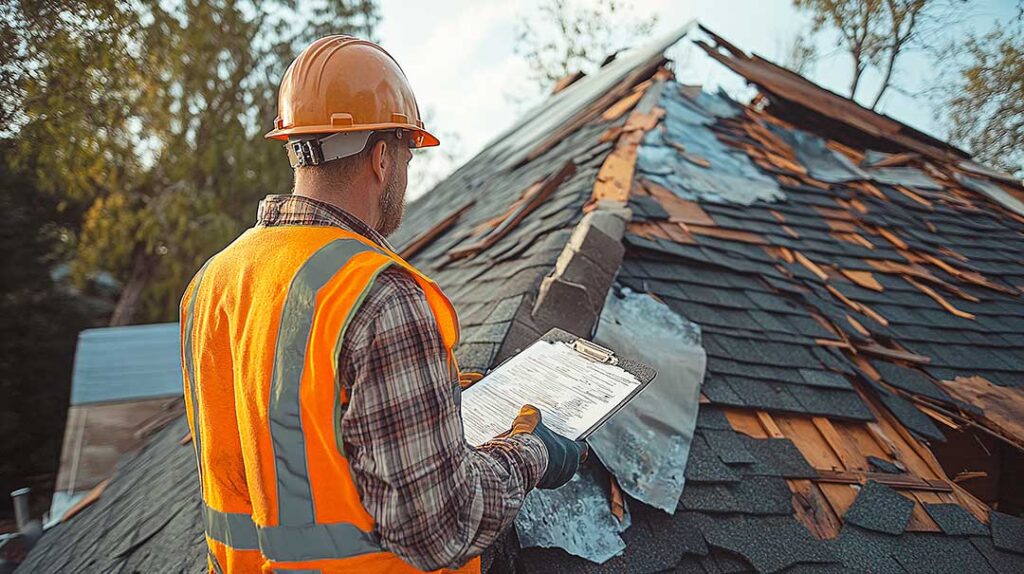
Why Does Attic Insulation Matter for Homes in Oneonta, NY?
Proper attic insulation acts as a barrier that keeps heat where it belongs, which plays a significant role in maintaining comfortable indoor temperatures and reducing energy costs. In a climate like Oneonta, cold winters and hot summers make insulation especially important for local homes.
A well-insulated attic slows the transfer of heat between a house and the outside environment. In cold months, this keeps valuable heat inside, lowering draftiness and heating bills. During the warmer season, insulation can also prevent attic spaces from overheating, which keeps upper-floor rooms cooler and reduces demand on air conditioning.
How Does Attic Insulation Protect Roofs and Prevent Problems?
Attic insulation is closely linked with roof health, even though it isn’t visible from the outside. One of its most critical roles is helping to prevent ice dams—a common challenge during Oneonta winters. Ice dams form when warmth from the house escapes into the attic, melts roof snow, and causes water to refreeze at the eaves. This can trap water on the roof and lead to leaks or gutter damage.
By keeping attic temperatures closer to outdoor levels, insulation reduces this melting and helps avoid the conditions that allow ice dams to form. Proper insulation also reduces condensation in the attic space, lowering the risk of mold, mildew, and wood rot in roofing materials.
What Types of Insulation Are Used in Attics?
Most attics in the area use one or more of the following insulation materials:
- Fiberglass batts or rolls: Easy to install and affordable, but effectiveness relies on careful placement without gaps.
- Loose-fill cellulose or fiberglass: Good for covering irregular spaces and adding layers over existing insulation.
- Spray foam: Provides the highest air-sealing properties; often used in tricky spots but more expensive.
Local housing styles—older homes with unfinished attics or newer builds with complex rooflines—may call for different insulation strategies. In regions with seasonal temperature swings like Oneonta, combining types can sometimes improve coverage and performance.
How Much Attic Insulation Is Enough?
Guidelines suggest a minimum insulation level, usually referred to as the R-value. In colder climates, like central New York, attics typically benefit from R-values between R-49 and R-60. This often means at least 14–18 inches of fiberglass or cellulose, but exact needs depend on the type of insulation and how the attic is used.
Many older houses have less insulation than current recommendations. Homeowners can often gain noticeable comfort and energy savings by bringing insulation up to modern standards. An inexpensive ruler-style attic gauge can help check depth in a few spots. Any bare or thinly covered areas are signs more insulation might be needed.
Is Air Sealing as Important as Insulation?
Before adding insulation, it’s vital to address air leaks in the attic floor. Even a thick layer of insulation can’t perform well if air is escaping through gaps around plumbing pipes, electrical fixtures, and attic hatches. Sealing these leaks with caulk or expanding foam is a key step to maximize insulation benefits.
For homes in Oneonta where wind-driven snow and cold are common, even small gaps can drive up heating bills and contribute to moisture problems beneath the roof deck.
What Are Signs of Insulation Issues in the Attic?
Residents often wonder how to tell if their attic insulation needs improvement. Some common clues:
- High heating or cooling bills despite regular usage.
- Ice dams forming along roof edges or icicles hanging from gutters.
- Cold drafts or uneven temperatures between floors.
- Visible gaps, thin spots, or areas with old, compressed insulation.
- Attic surfaces damp to the touch or with signs of mold growth.
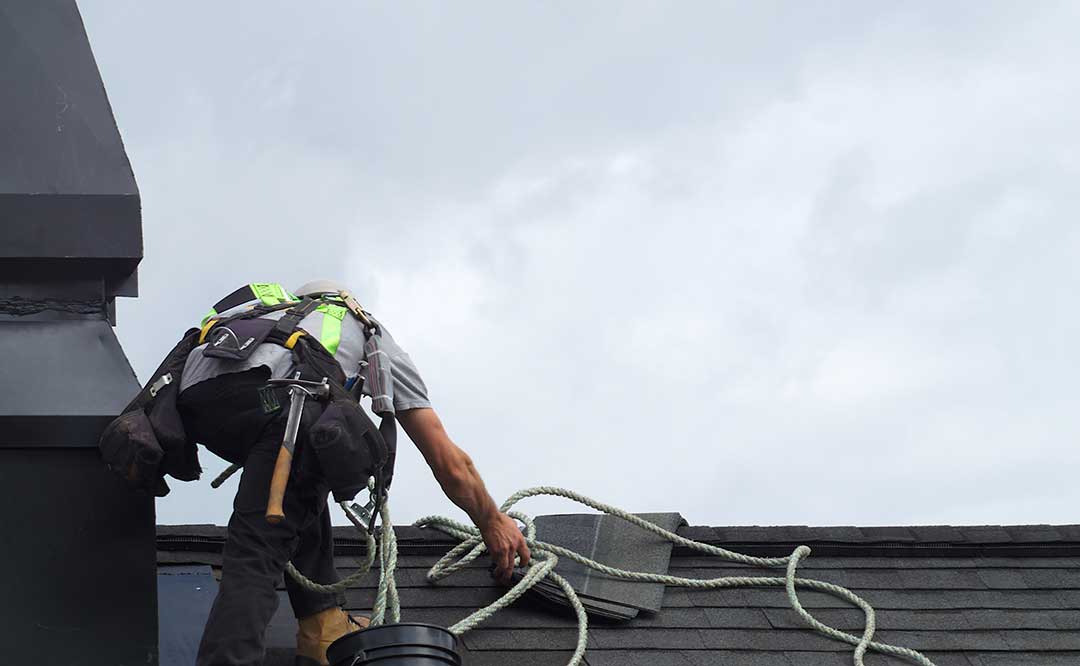
These issues are particularly common in homes built before the 1990s, or in those where attic spaces are unfinished or used for storage without climate control.
Are There Local Factors to Consider When Insulating an Attic?
Homes in the city face unique circumstances due to local building techniques and weather. Many attics have low roof pitches or limited headroom, which can make adding insulation or air sealing more challenging. Heavy winter snowfall puts extra stress on roofs, making the prevention of ice dams even more critical than in milder regions.
Local and state codes set minimum requirements for insulation installations and sometimes for venting as well. Adequate ventilation works with insulation to prevent trapped moisture, which is just as important as insulation itself for the long-term health of a roof.
What’s a Common Misconception about Attic Insulation?
A widespread misconception is that more insulation is always better. Piling insulation higher without paying attention to air sealing or attic ventilation can actually worsen moisture problems or even lead to trapped heat. Proper attic function comes from the right balance of insulation, tight air sealing, and controlled airflow—not simply the deepest possible insulation layer.
How Can Households Improve or Assess Their Attic Insulation?
While some basic inspection can be done without special tools, working in attics often involves tight spaces, exposure to dust, and walking among joists. Anyone inspecting or adding insulation should use proper safety gear and take care not to block any attic ventilation openings.
Upgrading insulation often starts with measuring what’s already there, sealing accessible leaks, then choosing new materials that meet local climate standards. Homeowners who notice chronic moisture, strong attic odors, or persistent ice dam problems should look deeper, as these could signal other roof or insulation issues that need closer attention.
