

How Does Humidity Affect Roofing Materials?
Humidity can cause roofing materials to age faster and develop problems like mold, curling, or leaks. In Oneonta, NY, shifts between muggy summers and damp springs mean local roofs experience significant humidity swings each year.
Materials like asphalt shingles, wood shakes, metal panels, and slate each respond differently. Excess moisture trapped by humidity can weaken the bonds in asphalt shingles, allow wood to swell or rot, and cause metal to corrode over time. The cycle of absorption and evaporation — especially during humid nights and foggy mornings — means roofing systems are constantly adapting.
What Problems Does Humidity Create for Roofs?
In the city, humidity most often leads to:
- Accelerated material breakdown: Moisture softens asphalt and can cause wood or underlayment to swell.
- Algae and moss growth: Persistent humidity, especially with shade and organic debris, allows green and black stains to develop. This is common on north-facing slopes and under trees.
- Leaks and water intrusion: Damp insulation and swollen materials can create gaps where water enters, particularly around joints, vents, and flashing.
- Ice dam risk: In seasons of high humidity followed by rapid cooling, condensation can freeze in attic spaces or roof decking, contributing to ice dams even in moderate winter conditions.
Residents may overlook that even without obvious rain, high humidity alone can gradually collect in attic spaces or roof layers, setting the stage for hidden moisture issues.
Are Certain Roofing Materials More Prone to Humidity Damage?
Yes, some roofs show more wear from moisture than others:
*Asphalt shingles* tend to lose granules and adhesive strength over time as they absorb and release water. Warping or blistering may become visible after repeated exposure, shortening the lifespan of the roof.
*Wood shakes and shingles* can take on water and swell, sometimes splitting or developing surface mold. Without direct sun to dry out wet wood, these areas are especially vulnerable in persistent humidity.
*Metal roofing* is less porous and sheds water well, but consistent humidity — especially with seasonal leaves or pollen collecting on seams — can eventually lead to rust or corrosion at vulnerable points like fasteners.
*Slate and tile* shed humidity efficiently but may develop moss or algae, particularly in shaded, wind-protected areas. Tile underlayments made from organic felt can break down faster in humid conditions if not properly ventilated.
How Does Oneonta’s Climate Affect Local Roofs?
Roofing materials in Oneonta experience several months each year of high relative humidity. Local patterns include:
- Misty mornings in spring and fall that keep roof surfaces damp long after sunrise
- Occasional summer heatwaves paired with humid air, accelerating the greenhouse effect in attic spaces
- Shaded roofs beneath mature neighborhood trees, where moisture evaporates slowly
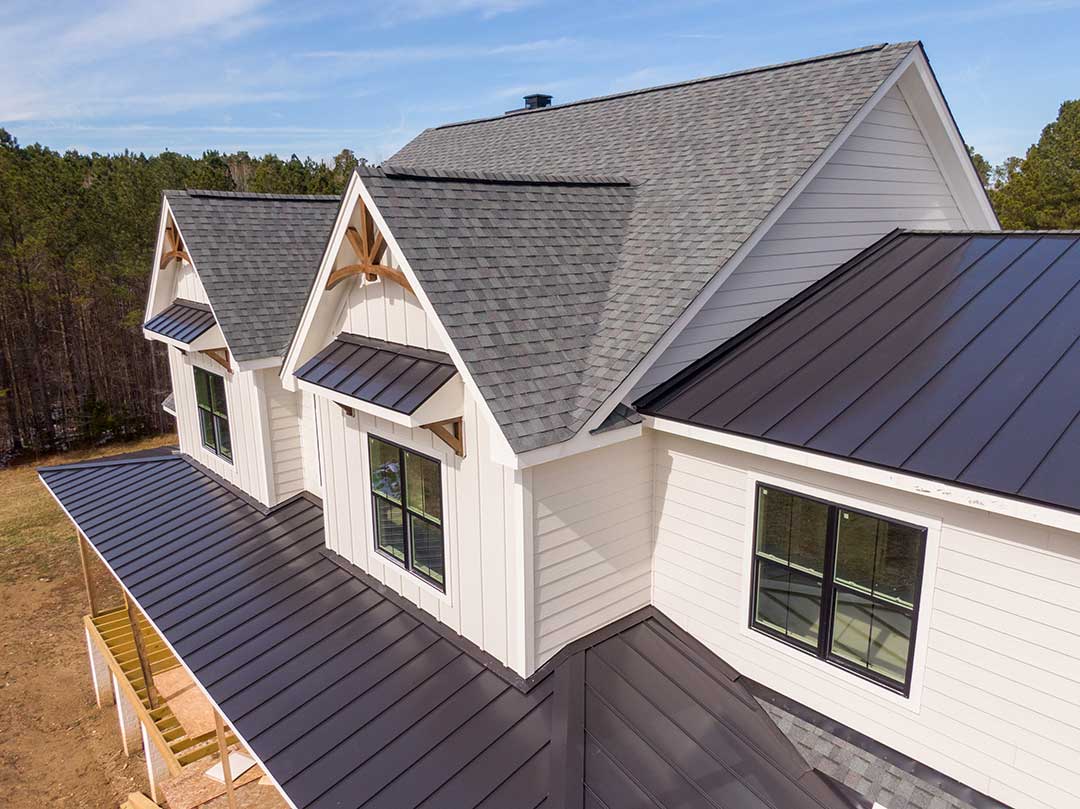
Homes in the community generally feature sloped roofs designed to shed water efficiently, but valleys, flashing, and shaded north sides still tend to harbor humidity longer than other areas. Older homes — common in the historic parts of the city — may be more susceptible, especially if attics are poorly vented.
What Can Homeowners Do to Protect Their Roofs?
Regularly monitoring for the signs of humidity-related wear is the surest way for Oneonta residents to prevent serious damage. Useful steps include:
- Checking attic insulation and ventilation to ensure air circulates and humidity escapes
- Keeping gutters and roof valleys clear of debris to minimize standing water and organic buildup
- Inspecting for dark streaks, green patches, or curled shingles after humid spells
- Addressing minor leaks or musty smells quickly, as these can signal deeper moisture problems
Consider seasonal roof checks in the late spring and early fall, which are often the most humid periods in the region.
Can Interior Humidity Affect the Roof Structure?
Humidity problems don’t just begin outside — moisture generated indoors can migrate upward. Activities like showering, cooking, or using humidifiers raise household moisture, which can condense on cold roof decking above the ceiling.
Inadequate attic ventilation is a common source of concern for area households. Vapor barriers, ridge vents, and soffit vents all play a role in letting humid air escape. Sometimes, problems become apparent as water spots on ceilings, unexplained musty odors, or visible wood rot in the attic.
What Are Some Misconceptions About Humidity and Roofs?
A common misconception is that only heavy rain or snow cause moisture-related roof damage. In reality, persistent high humidity — even without obvious precipitation — can soften, swell, or corrode roofing over seasons and years.
Another myth: All roofing materials are equally resistant to humidity. While some, like metal and slate, are better at shedding water, underlayments and fasteners beneath the surface can still fall victim to hidden moisture in humid weather.
Finally, some residents believe visible moss or algae are mainly aesthetic. While green or black streaks don’t always signal immediate leaks, they do hold moisture against the roof, slowly accelerating shingle or shake decay.
