
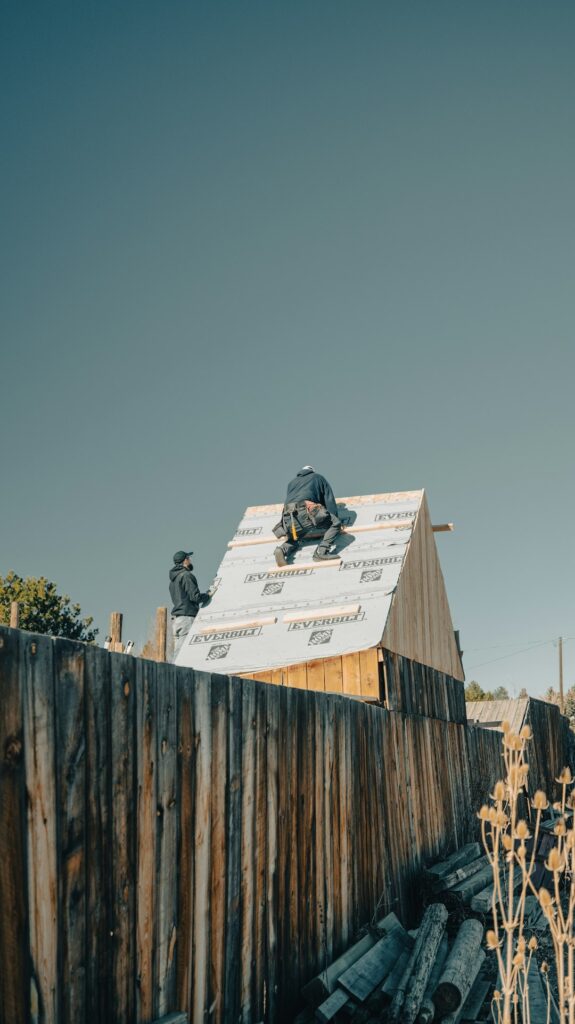
Why renovation work can damage a roof
Home renovations can create roof problems even when the project does not involve roofing. Roofing materials may be punctured by dropped tools, damaged by foot traffic, blocked by debris, or exposed to water when part of the building is temporarily opened.
In Oneonta, NY, these risks are increased by seasonal weather changes. Rain, freezing temperatures, snow, ice, and wind can affect exposed roof areas quickly. A renovation plan should treat the roof as an active part of the building envelope, not simply as a surface beneath the work area.
Projects that commonly affect roofs include:
- Roofing, siding, window, and chimney work
- Additions, dormers, and attic conversions
- Solar, satellite, antenna, or ventilation installations
- Electrical upgrades that require roof or attic access
- Exterior painting, masonry repairs, and gutter replacement
- Tree removal or trimming near the house
- Interior remodeling beneath a roof or ceiling
What should be done before renovation begins?
The roof should be inspected and documented before work starts. This creates a clear baseline and can reveal weak areas that might fail under construction activity or bad weather.
Look for:
- Missing, cracked, curled, or loose shingles
- Soft areas in roof sheathing
- Damaged flashing around chimneys, vents, skylights, and walls
- Sagging gutters or downspouts
- Existing water stains in attics or upper-floor ceilings
- Loose siding, trim, or exterior materials near the roof edge
- Moss, leaves, branches, or other debris that could hide damage
Photographs of roof slopes, flashing, gutters, and nearby exterior walls can help distinguish pre-existing conditions from damage that occurs during the renovation. Interior ceilings and attic spaces should also be photographed if they already show staining or discoloration.
A written plan should identify who is responsible for protecting the roof, checking temporary coverings, clearing debris, and responding if water enters the building.
How can workers protect shingles and other roofing materials?
Roof surfaces should not be used as general walkways or storage areas. Repeated foot traffic can loosen granules, crack brittle shingles, dent metal panels, and damage older roofing materials that may already be less flexible.
Workers should use designated access paths and avoid stepping on:
- Damaged or visibly loose shingles
- Skylights and translucent roof panels
- Flashing around roof penetrations
- Ridge vents and low-profile ventilation components
- Gutter edges and drip-edge metal
- Areas covered by temporary materials
Tools, lumber, ladders, and demolition debris should not be placed directly on the roof unless the load has been evaluated and distributed safely. A small object dropped from a ladder can puncture a membrane, crack a tile, or create damage that is not visible from the ground.
Ladders should be positioned so they do not rest against gutters, fascia, roof edges, or fragile siding. Where roof access is necessary, proper fall protection and stable working platforms are essential.
What is the safest way to cover an exposed roof area?
Temporary coverings should be installed before a roof section is opened, not after rain begins. A tarp or other weather-resistant covering must extend beyond the exposed area, be secured against wind, and direct water away from the building rather than toward a wall or opening.
Temporary protection should not rely only on loose boards, bricks, or scattered objects. These can shift in wind, damage the roof, or become falling hazards. Fasteners should be used carefully because unnecessary holes can create additional leaks.
A temporary covering should be checked after:
- Heavy rain
- Strong wind
- Snow or ice accumulation
- Rapid temperature changes
- Work that moves or removes nearby materials
Tarps are not a substitute for a properly completed roof. If a roof opening will remain exposed overnight, during a storm, or through freezing weather, the protection must be designed for those conditions.
How should rain, snow, and ice be managed during the project?
Renovation work should be planned around weather, but forecasts cannot eliminate every risk. A dry morning can be followed by rain, and melting snow can travel into areas that appear protected.
Before work stops each day, inspect:
- Open roof sections
- Tarps and temporary flashing
- Roof-to-wall transitions
- Chimneys, vents, and skylights
- Gutters and downspouts
- Interior ceilings beneath the work area

Snow should not be piled against roof penetrations, attic vents, skylights, or temporary coverings. Heavy snow loads can also stress framing and temporary structures. Ice buildup may block drainage and force water beneath shingles or metal panels.
In cold weather, roofing materials can become brittle, seal strips may not bond as expected, and adhesives may perform poorly. Some materials also require specific temperature ranges for installation. Work should follow the material manufacturer’s instructions rather than relying on appearance alone.
How can renovation debris be kept from harming the roof?
Debris should be collected and removed regularly. Nails, screws, broken shingles, metal scraps, and pieces of masonry can puncture roofing materials or clog gutters.
Protective measures may include:
- Placing debris chutes away from roof edges and gutters
- Using ground-level collection areas rather than roof storage
- Sweeping carefully without scraping shingles
- Checking gutters after demolition or cutting
- Removing branches before they fall onto the roof
- Keeping sawdust and insulation out of attic ventilation openings
Magnetic tools can help locate loose metal fasteners on the ground, but they do not replace a visual inspection of the roof and gutters. Debris that enters a gutter may not cause an immediate problem; it can later block drainage and contribute to ice buildup or water overflow.
What should homeowners watch for inside the house?
Interior signs can reveal roof damage before it becomes obvious outdoors. During renovation, inspect ceilings, upper walls, attic insulation, and roof framing after rain or thawing conditions.
Warning signs include:
- New brown or yellow ceiling stains
- Damp insulation
- Musty odors
- Peeling paint or bubbling drywall
- Dripping around light fixtures or attic openings
- Wet roof sheathing
- Daylight visible through an unexpected roof gap
Water near electrical wiring, light fixtures, outlets, or heating equipment creates an immediate safety concern. Avoid touching wet electrical components. Power should be shut off only if it can be done safely, and hazardous conditions may require qualified assistance.
A small stain should not be dismissed simply because it stops dripping. Water can travel along rafters, insulation, plumbing, and wiring before appearing far from the original entry point.
When does roof protection require specialized help?
Some situations should not be handled as ordinary do-it-yourself renovation tasks. These include steep or fragile roofs, structural sagging, active leaks, damaged chimneys, suspected asbestos-containing materials, exposed wiring, and roof work during snow or ice conditions.
Professional assessment may also be necessary when the roof cannot safely support workers, when a renovation removes structural walls, or when building permits and code requirements apply. Temporary protection should not conceal a structural problem or delay action on active water intrusion.
The safest renovation plan keeps roof access limited, protects openings before they are created, manages water and debris continuously, and includes inspections after significant weather. These steps help prevent minor construction accidents from becoming leaks, mold, insulation damage, or expensive repairs.
