
Do Solar Panels Work Well on Roofs in Oneonta, NY?
Solar panels can be a good match for many homes in Oneonta, NY, but climate and roof condition play big roles. Local residents often wonder if the snowy winters and changing seasons affect performance or installation. The good news is, solar technology is effective even in Upstate New York’s climate, as the panels can still generate power on cloudy days and snow often slides off due to panel tilt.
However, it’s important to keep a few things in mind:
- South-facing roofs capture the most sunlight.
- Heavy snow may require occasional panel clearing.
- Shade from tall trees or nearby buildings can significantly reduce efficiency.
Neighborhoods with older homes may also face unique challenges related to roof type and age.
How Should You Assess Your Roof’s Condition Before Installing Solar?
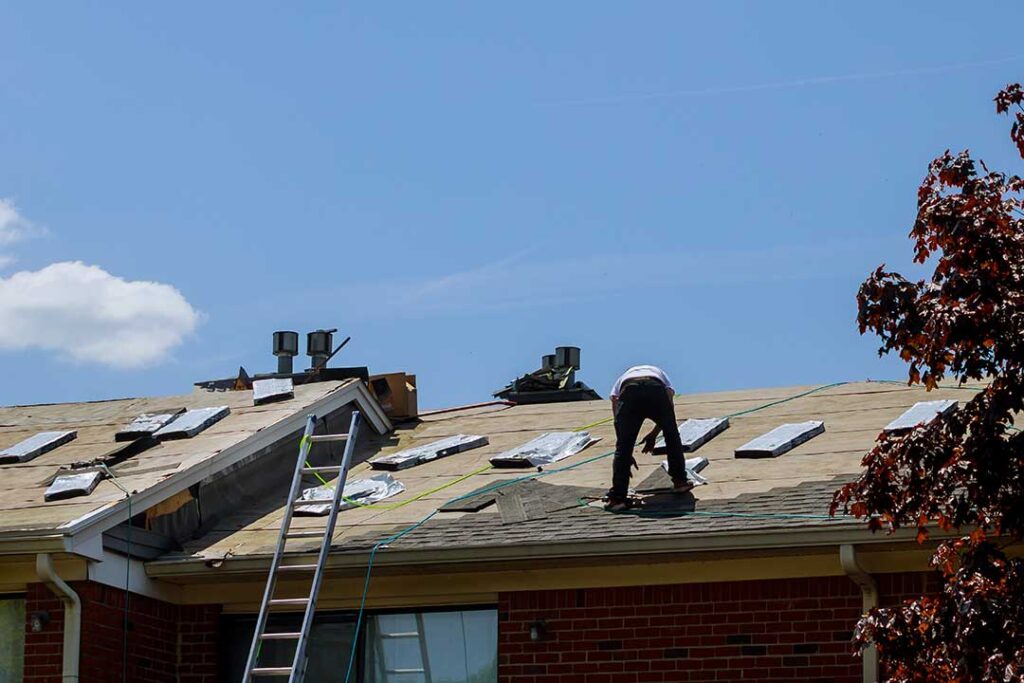
A thorough assessment of your roof’s age, material, and structural integrity helps avoid future headaches. Start with a straightforward question: “Will my roof last as long as the solar panels?” It’s worth noting that most panels operate efficiently for 25 to 30 years.
Key considerations include:
- Age: If your shingles or roof surface are already 15-20 years old, you may need to replace or repair the roof before installation. Otherwise, you could face extra costs when removing panels to fix the roof later.
- Material: Asphalt shingles, common in the city, work well with solar. Metal and standing seam roofs can be even easier for installers, while slate or cedar shake present more challenges and sometimes higher installation costs.
- Structure: Roofs must support the extra weight of solar equipment. In areas with heavy snow, reinforcing rafters may be needed to meet state building codes and handle winter loads.
Are There Local Codes or Permits to Consider?
Yes—installing solar panels in Oneonta requires local permits and must meet state building codes. The permitting process checks both electrical safety and roof load requirements.
Residents can expect:
- Involvement of local building or code enforcement departments for permits.
- Inspections to ensure installations meet safety standards and do not compromise roof integrity.
- Rules about how close panels can be to the edge of the roof or above certain heights.
Recent updates to New York State’s “Solar Rights Act” give homeowners broad rights to install solar, but certain homeowners’ associations or historic districts in town may have extra rules.
Do Solar Panels Damage Roofs or Affect Roof Warranties?
Properly installed solar panels should not damage a well-maintained roof, but some misconceptions persist. Issues often arise from improper installation or from panels on roofs already close to the end of their lifespan.
Be aware:
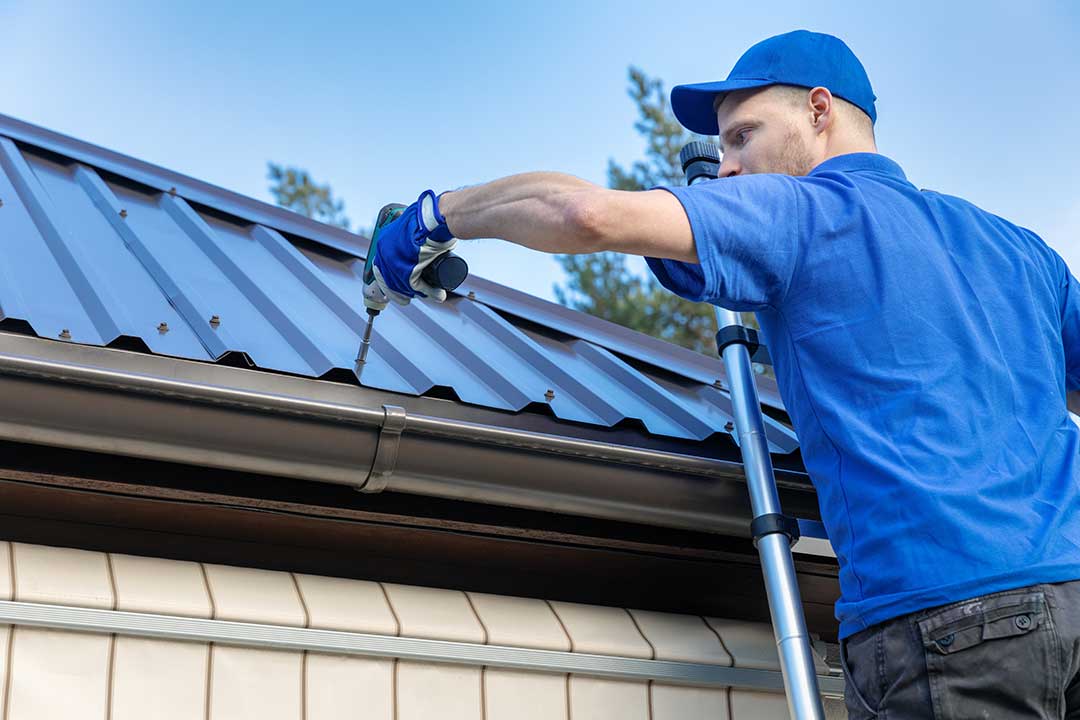
- Drilling holes for mounting must be properly sealed to prevent leaks, especially with high snowfall and spring thaws in the area.
- Some roof warranties may be affected; check with your shingle manufacturer before installation.
- Evidence from local homes suggests panels often protect the portion of the roof beneath them from ultraviolet light and weather, potentially increasing that section’s lifespan.
What Maintenance Do Solar Panels on Roofs Require?
Solar panels generally require little maintenance, but Oneonta’s climate presents a few extra considerations. Most cleaning is handled by rain, but panels may need snow removed after storms, especially during persistent cloudy periods.
For area households:
- A soft brush can be used to remove snow without scratching panels.
- Avoid using sharp tools or shovels that could damage the surface.
- Gutters and flashing around rooftop panels should be kept clear to prevent ice dams, which are a common winter concern locally.
Annual electrical checks and visual inspections are also a good idea, particularly after severe storms or heavy ice.
Is Your Home’s Orientation and Roof Design Suitable for Solar?
Solar panels produce the most electricity when facing south at a tilt angle close to your latitude. Roofs pitched between 30 and 45 degrees are well-matched for panel performance in the city’s latitude.
Consider:
- Complex or multi-gabled roofs may reduce available space for panels.
- Chimneys, skylights, and dormers can create shading and limit array size.
- Panels can sometimes be installed on garages, sheds, or even ground mounts if the main house roof isn't optimal.
Local houses surrounded by tall maples or large evergreens may see reduced output if there’s significant daytime shade. Trimming or removing select trees may help, but this can change neighborhood character and requires careful consideration.
How Seasonal Conditions Affect Solar Panel Installation and Performance
Seasonal weather in Oneonta directly impacts both the installation process and ongoing solar output. Spring and fall are popular times for new installations, while heavy snow occasionally extends project timelines during winter.
Additional notes:
- Winter snow can sometimes cover panels temporarily, but days are shorter, so winter output is naturally lower.
- Summer and spring bring the year’s peak production thanks to long days and clear skies.
- Panels are designed to withstand hail, ice, and wind typical of Central New York, but placement, mounting, and flashing all matter in severe weather.
Are There Reasons Solar May Not Be a Good Fit for Some Roofs?
Not every roof is ideal for solar panels, and it’s helpful to know potential deal-breakers early on.
Common obstacles in the local area:
- Roofs in poor condition or with structural issues.
- Heavily shaded locations with little direct sun for much of the day.
- Homes in protected historic districts with strict exterior rules.
- Flat roofs may need special racking systems to achieve an effective panel angle.
Residents in apartments, multi-family homes, or row houses may face other hurdles such as shared roof access or unclear ownership of roofing decisions.
What Are Some Overlooked Factors When Considering Solar for Your Roof?
Residents sometimes overlook practical details that emerge after the initial excitement. These extra factors can influence the long-term solar experience:
- Insurance: Some homeowners’ policies require notice or adjustment for rooftop solar.
- Wildlife: Birds and squirrels sometimes nest under panels, so integrated screening may help.
- Future landscaping: Growing trees or home additions could shade panels over time.
- Roof accessibility: Future repairs (e.g., chimney work, roof leaks) can be more complex with panels in place.
Thinking through these points helps ensure a smooth and cost-effective solar experience for local households, maximizing both savings and peace of mind.
