
Roof repairs often look simpler from the ground than they are up close. A loose shingle, a dark ceiling mark, or a small leak may seem like a quick weekend fix, but incorrect repairs can trap moisture, damage roofing materials, and make the original problem harder to locate.
For homes in Oneonta, changing seasons, snow, ice, wind, heavy rain, and summer humidity can expose weak repairs quickly. Understanding the most common mistakes helps residents decide what can be safely monitored, what requires careful correction, and when roof access presents too much risk.
Mistake 1: Repairing the visible symptom instead of the leak source
A ceiling stain does not always appear directly below the roof opening. Water can travel along rafters, roof decking, insulation, and framing before entering a room. Covering the stain or replacing a nearby shingle may leave the actual entry point untouched.
A better inspection considers the full area around the damage, including:
- Missing, cracked, curled, or lifted shingles
- Damaged flashing around chimneys, vents, and roof edges
- Open seams or failed sealant
- Accumulated debris in roof valleys
- Sagging or softened roof decking
- Evidence of ice-related water backup
A stain that appears after rain may also reflect an older leak rather than a newly created one. Moisture can remain hidden in insulation or wood for some time, so the location of interior damage should be treated as a clue, not proof of the exact roof defect.
Mistake 2: Applying roofing cement as a permanent solution
Roofing cement can sometimes provide temporary protection, but spreading it over a leak does not correct damaged materials underneath. Thick patches may crack, separate from the surface, or make future repairs more difficult.
Improperly applied cement can also conceal:
- Rotten wood
- Loose flashing
- Failed fasteners
- Gaps beneath shingles
- Damage extending beyond the patched area
A patch may be reasonable as short-term weather protection when a repair cannot be completed immediately. It should not be assumed to restore the roof permanently, particularly where water is entering around flashing or penetrations.
Mistake 3: Replacing shingles without checking the underlayment
Shingles are only the outermost layer of a roof system. Beneath them are underlayment, roof decking, flashing, ventilation components, and structural supports. If water has reached the layers below, installing new shingles alone may leave hidden damage in place.
This is especially relevant after repeated freeze-thaw cycles. Water can enter small openings, freeze, expand, and gradually widen the damaged area. A repair that looks acceptable during mild weather may fail after the next period of snow, ice, or driving rain.
Before replacing surface materials, the condition of the surrounding underlayment and decking should be considered. Soft, discolored, swollen, or deteriorated wood indicates that the repair may involve more than a single shingle.
Mistake 4: Using the wrong fasteners or installing them incorrectly
Roofing nails are not interchangeable with general construction fasteners. Fasteners that are too short, improperly placed, or exposed to weather can allow shingles to loosen and water to enter.
Common installation errors include:
- Driving nails above the manufacturer’s recommended nail line
- Leaving nail heads exposed
- Using too few fasteners
- Driving nails too deeply and damaging the shingle
- Placing nails where they miss the roof decking
- Failing to secure the upper edge of replacement materials
A nail that misses the underlying wood may appear secure but provide little holding strength. Overdriven nails can also tear the shingle mat, creating a weak point that may not be visible from the ground.
Mistake 5: Ignoring flashing around roof penetrations
Flashing directs water away from vulnerable joints. It is commonly installed around chimneys, plumbing vents, skylights, wall intersections, and roof valleys. Because these areas involve changes in direction and materials, they are frequent sources of leaks.
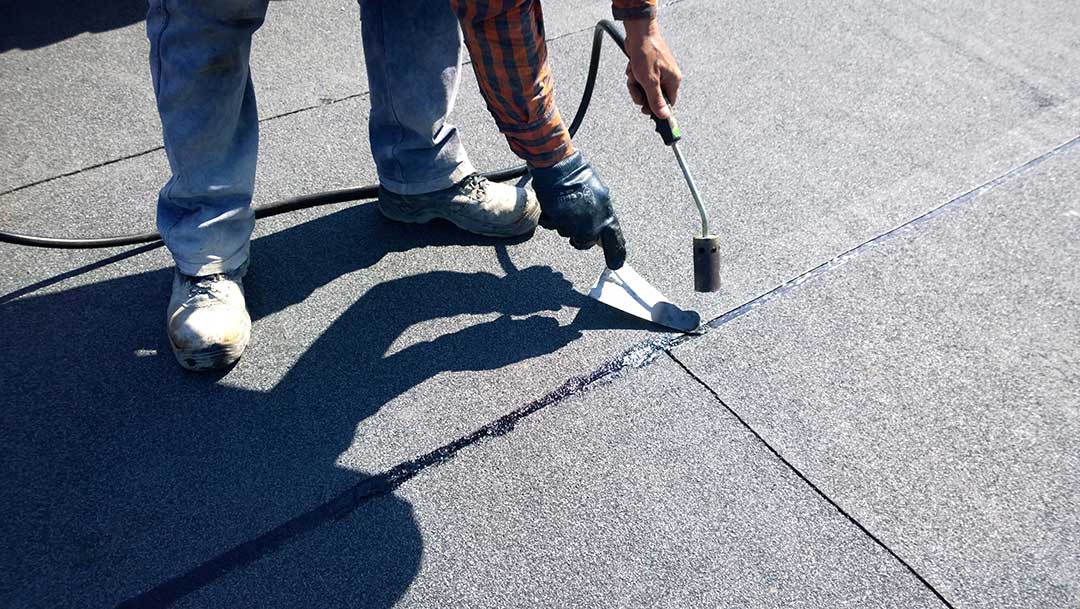
One common mistake is sealing over old flashing without determining whether it is loose, corroded, bent, or improperly integrated with the surrounding roofing. Sealant may slow water entry temporarily, but it cannot replace missing or damaged metal components.
Flashing should also be checked after nearby construction, gutter work, antenna installation, or other activity that may disturb the roof surface.
Mistake 6: Clearing snow or ice with sharp tools
Removing heavy snow from a roof can create more damage than the snow itself if performed aggressively. Shovels, axes, and other sharp tools may cut shingles, scrape protective granules, or damage flashing.
Ice dams create a separate concern. They form when heat escapes through the roof, melting snow that later refreezes near colder eaves. Removing only the visible ice does not address the heat loss or ventilation conditions that contributed to it.
Safer prevention focuses on the roof system and attic conditions, including adequate insulation, proper air sealing, and balanced ventilation. Roof access during snow and ice conditions is also a serious fall hazard and may not be suitable for household do-it-yourself work.
Mistake 7: Walking on the roof without understanding the surface
Roofing materials can be slippery, brittle, or easily damaged. Asphalt shingles may lose granules under foot traffic, especially during hot weather or after years of exposure. Wet surfaces, frost, moss, and steep slopes increase the risk of slipping.
Walking in the wrong areas can also bend flashing, crack older shingles, or break fragile components around vents. A roof should not be treated like a normal walking surface, and ladders should never be placed on unstable ground, icy surfaces, or gutters.
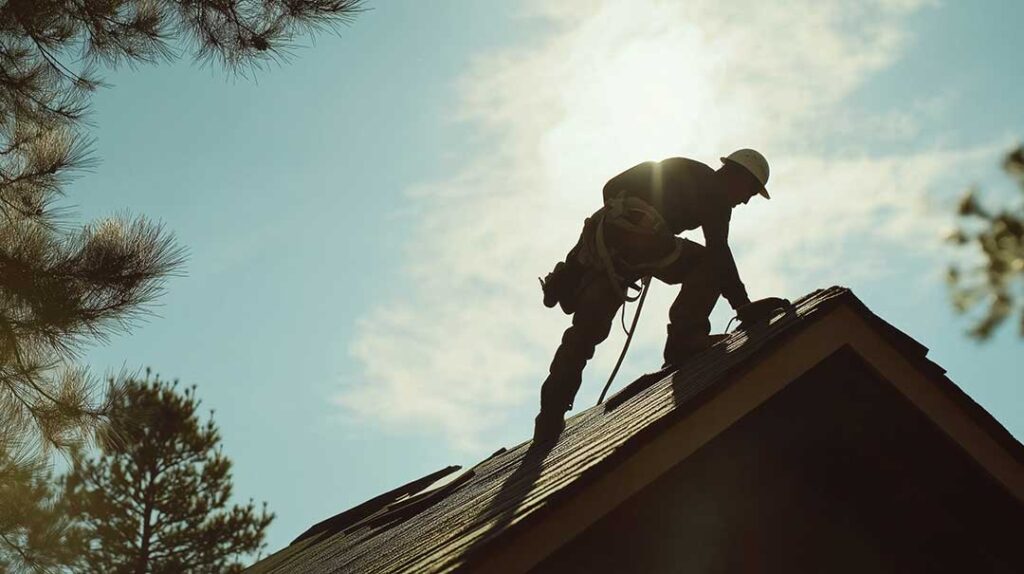
If a roof inspection requires climbing, the risks include falls, electrical hazards, hidden weak decking, and falling tools or debris. Safety concerns are a legitimate reason to avoid do-it-yourself access.
Mistake 8: Matching shingles by color alone
A replacement shingle may look close in a store or from the ground but differ in profile, thickness, exposure, or weathering characteristics. Even a similar color may not blend well after installation.
Compatibility matters because shingles are designed to work with specific installation patterns and roof slopes. A mismatched product can create visible differences and may not fit correctly around existing courses.
When the original material is no longer available, the repair should prioritize proper fit, weather resistance, and secure integration rather than appearance alone.
Mistake 9: Neglecting gutters and roof drainage
A roof repair can fail if water is still being directed against the same vulnerable area. Clogged gutters, blocked downspouts, damaged drip edges, and poor drainage can cause water to back up beneath shingles or run down exterior walls.
After a repair, inspect the surrounding drainage system for:
- Standing water in gutters
- Sagging or separated gutter sections
- Downspouts that discharge too close to the foundation
- Leaves and roof granules collecting in valleys
- Water overflowing during heavy rain
Regular clearing is especially useful during autumn and after major storms. However, gutters should be accessed with the same ladder precautions as other elevated work.
Mistake 10: Waiting after a small leak appears
A minor leak is not always minor in its consequences. Continued moisture can damage insulation, wood framing, paint, drywall, and electrical components. It may also encourage mold growth in areas that remain damp and poorly ventilated.
After noticing a leak, residents should document when it occurs, what weather preceded it, and whether the affected area changes. Containers can catch active drips temporarily, but ceiling materials that are bulging or saturated should not be ignored because they may fall.
The most useful repair decisions come from identifying the entry point, the extent of concealed damage, and the reason the failure occurred. A roof that is repaired without addressing drainage, flashing, ventilation, or ice-related conditions may develop the same problem again.
